

Why Is the Shofar Blown on Rosh Hashanah?
2026 May 20th
The shofar is one of the most powerful and recognizable symbols of Rosh Hashanah. Made from a ram’s horn, it is sounded during the holiday as a call to reflection, repentance, and spiritual awakening.
Unlike music or ordinary speech, the sound of the shofar is raw and direct. Its blasts are meant to stir the heart and remind listeners that Rosh Hashanah is not only the beginning of a new year, but also a time for personal and communal renewal.
What Is a Shofar?
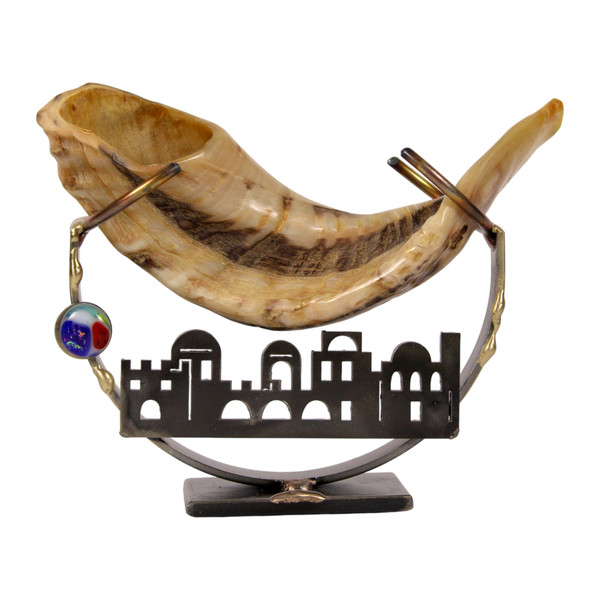
A shofar is a natural horn, most commonly made from a ram’s horn, used in Jewish ritual life. It is not shaped like a modern musical instrument and does not produce a polished melody. Instead, it creates a simple, piercing sound that carries deep symbolic meaning.
On Rosh Hashanah, the shofar is sounded as part of the synagogue service and serves as one of the holiday’s defining rituals.
A Spiritual Wake-Up Call
One of the most common explanations for the shofar is that it acts as a spiritual wake-up call. Its sound interrupts ordinary routine and asks people to examine their actions, relationships, and responsibilities.
Rosh Hashanah begins a period of reflection that continues through the High Holidays. The shofar helps set this tone by calling attention to the need for repentance, honesty, and renewal.
Connection to Jewish History and Memory
The shofar also connects listeners to ancient Jewish tradition. Its sound has been used at important moments in Jewish life, including gatherings, announcements, and times of spiritual significance.
On Rosh Hashanah, the shofar reminds the community that the holiday is rooted in memory as well as hope. It looks backward to tradition and forward to the year ahead.
The Different Shofar Sounds
During Rosh Hashanah services, the shofar is sounded in several distinct patterns. These include long, steady blasts and shorter broken sounds.
Each pattern contributes to the emotional force of the ritual. Some sounds feel strong and complete, while others feel broken or urgent. Together, they reflect the complexity of the holiday: awe, humility, hope, and renewal.
Why the Ram’s Horn Matters
The use of a ram’s horn carries symbolic weight. In Jewish tradition, the ram is often connected with themes of faith, sacrifice, and divine mercy.
Because the shofar comes from a natural source, its sound feels ancient and unadorned. This simplicity helps reinforce the seriousness of the moment.
When the Shofar Is Blown
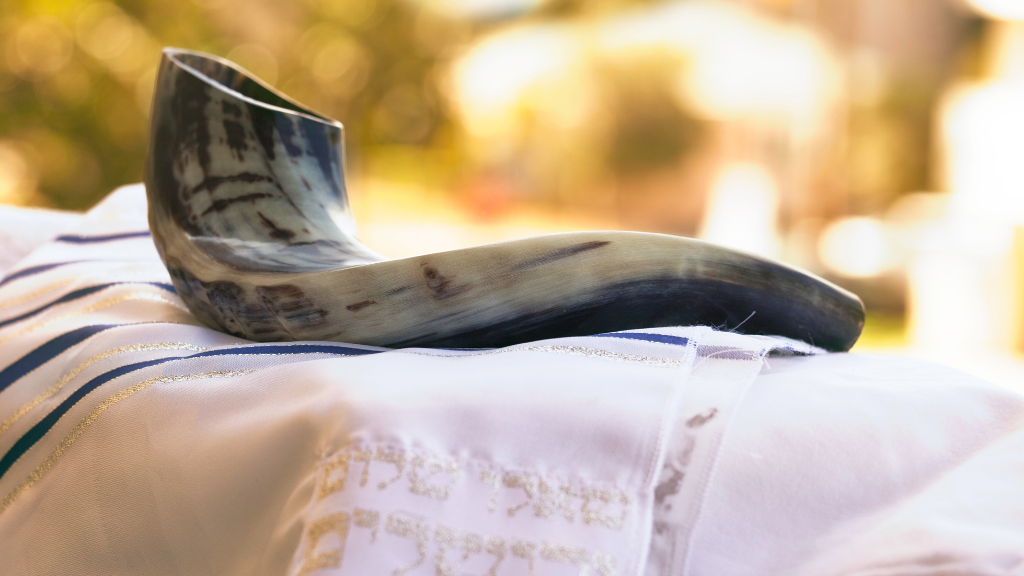
The shofar is traditionally sounded during Rosh Hashanah prayer services. In many communities, it is one of the most anticipated moments of the holiday.
When Rosh Hashanah falls on Shabbat, traditional practice generally does not include blowing the shofar that day. This reflects the way Shabbat and festival observance are carefully balanced within Jewish law.
The Meaning of Hearing the Shofar Today
For many people, hearing the shofar is one of the most emotionally meaningful moments of the Jewish year. It brings together sound, memory, community, and personal reflection.
The shofar does not explain its message in words. Instead, it creates a moment of attention. Its sound invites each person to pause and consider how they will enter the year ahead.
Summary
The shofar is blown on Rosh Hashanah as a call to reflection, repentance, and renewal. Its ancient sound reminds listeners of Jewish history, spiritual responsibility, and the opportunity to begin the year with greater awareness and purpose.