
Why Do We Eat Apples and Honey on Rosh Hashanah?
2026 May 20th
Apples dipped in honey are among the most familiar foods associated with Rosh Hashanah. This simple custom expresses one of the central hopes of the Jewish New Year: that the year ahead should be sweet, blessed, and meaningful.
Although the foods themselves are simple, the tradition carries deep emotional and symbolic meaning. It brings the themes of Rosh Hashanah into the home through taste, blessing, and shared family practice.
The Meaning of Apples and Honey
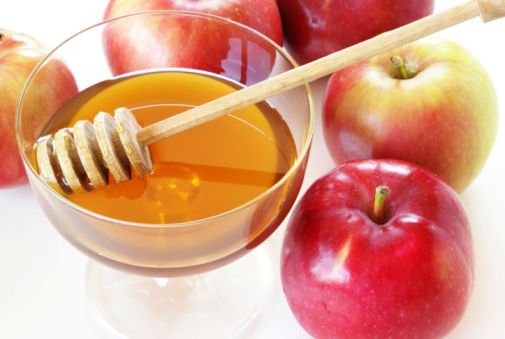
Eating apples with honey on Rosh Hashanah expresses the wish for a sweet year ahead. The sweetness of the honey turns a hopeful idea into a physical experience, making the blessing for the new year something that is tasted and shared.
This is one reason the custom is especially memorable for children and families. It is simple, visual, and easy to connect with the meaning of the holiday.
Why Sweet Foods Are Used
Rosh Hashanah begins a period of reflection and spiritual renewal, but it is also marked by hope. Sweet foods help express that hope in a tangible way.
Rather than only speaking about blessing, the holiday meal includes foods that represent the kind of year people pray for: one filled with sweetness, kindness, peace, and good outcomes.
The Blessing and Traditional Wish
Many families recite a short blessing over the apple and then add a traditional wish for a good and sweet year. This moment often takes place at the beginning of the Rosh Hashanah evening meal.
The words may vary by community or family custom, but the core message remains the same: may the new year be sweet and good.
Apples and Honey at the Rosh Hashanah Table
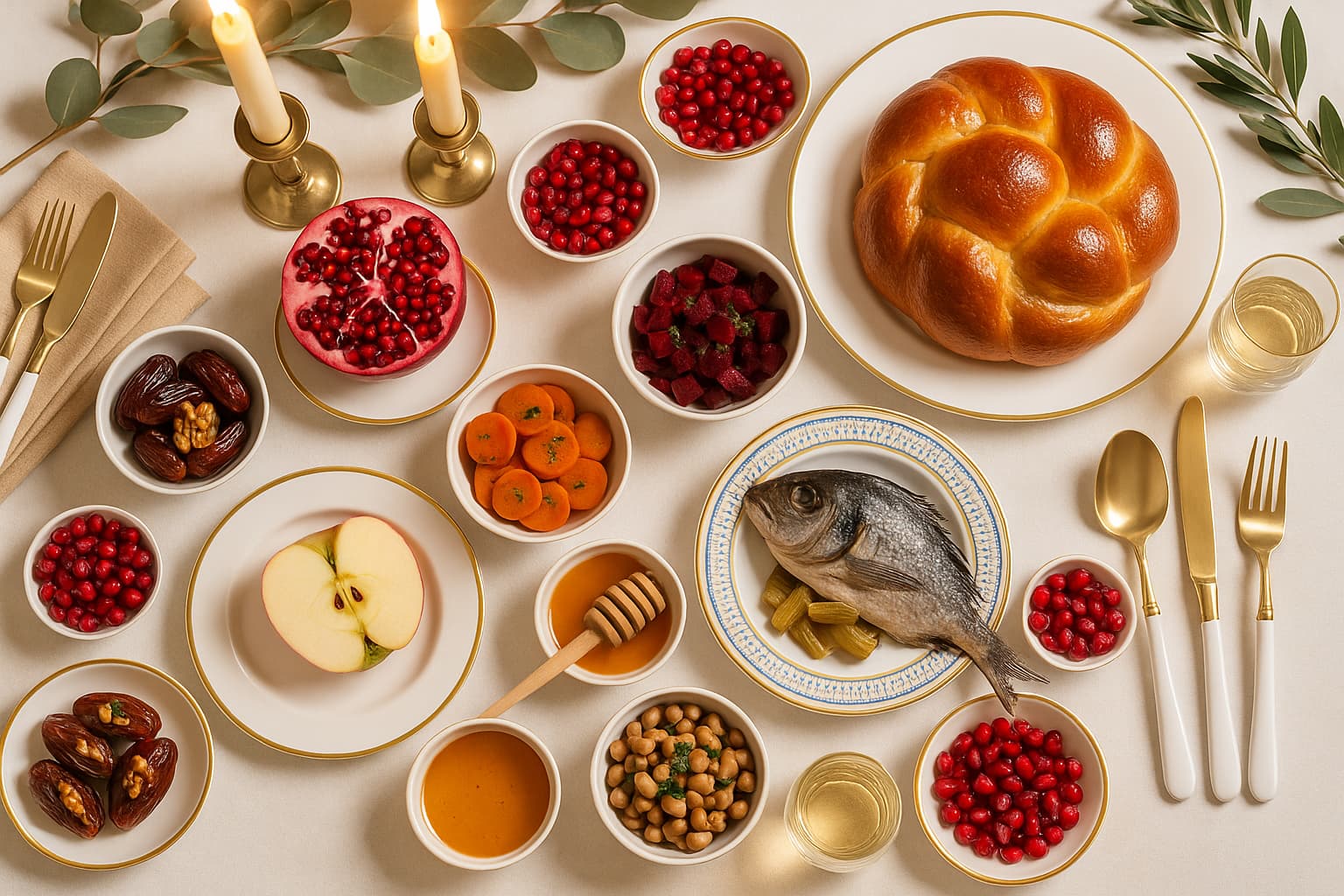
The Rosh Hashanah table often includes symbolic foods that reflect blessings for the year ahead. Apples and honey are usually the most widely recognized, but many communities also include other foods with symbolic meanings.
These foods help transform the holiday meal into a moment of intention. The table becomes more than a place to eat; it becomes a place to express hopes, values, and prayers for the year ahead.
A Family-Friendly Tradition
Part of the strength of this custom is its accessibility. Apples and honey are easy to prepare and easy to explain, making the tradition meaningful for people of all ages.
For many families, this is one of the first Rosh Hashanah customs children learn. The sweetness of the food helps create a lasting memory connected to the beginning of the Jewish year.
More Than a Food Custom
Apples and honey are not only a festive food pairing. They represent a deeper Jewish idea: the new year should be approached with seriousness, but also with hope.
The custom reminds participants that reflection and renewal are not only about looking back. They are also about entering the future with blessing, optimism, and intention.
Summary
Apples and honey are eaten on Rosh Hashanah to symbolize the hope for a sweet and good new year. Through a simple food custom, Jewish families express blessing, renewal, and optimism at the beginning of the High Holiday season.