
What Is Yom Kippur? Meaning and Traditions Explained
2026 May 20th
Yom Kippur is one of the most solemn and spiritually significant days in the Jewish calendar. Often called the Day of Atonement, it is a time devoted to repentance, prayer, forgiveness, and personal reflection.
Yom Kippur comes at the conclusion of the High Holiday period that begins with Rosh Hashanah. While Rosh Hashanah opens the season with reflection and renewal, Yom Kippur brings those themes to their deepest expression through fasting, confession, and the search for spiritual repair.
The Meaning of Yom Kippur
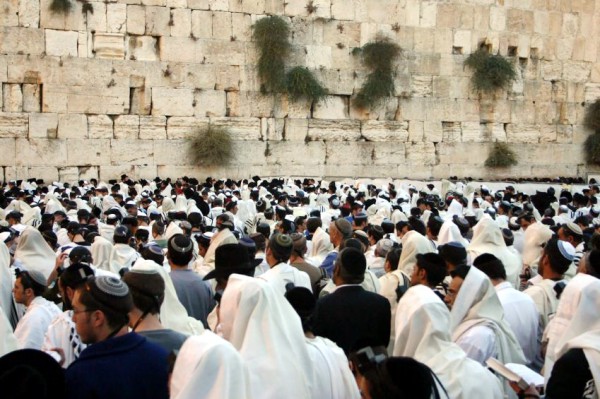
The phrase “Yom Kippur” means “Day of Atonement.” The holiday focuses on teshuvah, often translated as repentance or return. This involves recognizing mistakes, taking responsibility, asking forgiveness, and making a sincere effort to change.
Yom Kippur is not only about regret. It is about the possibility of renewal and the belief that people can repair what has been damaged and move forward with greater honesty and purpose.
Why Yom Kippur Is So Important
Yom Kippur is considered one of the holiest days of the Jewish year. It offers a dedicated time to step away from ordinary routines and focus on the condition of the soul, relationships with others, and one’s responsibilities before God.
The seriousness of the day is balanced by hope. The goal is not sadness for its own sake, but spiritual cleansing, repair, and recommitment.
Fasting on Yom Kippur
One of the best-known Yom Kippur practices is fasting. By refraining from food and drink, participants shift attention away from physical needs and toward prayer, reflection, and inner work.
Fasting is meant to support the spiritual focus of the day. People with health concerns, children, and others who may be unable to fast follow guidance appropriate to their situation and tradition.
Prayer and the Machzor
Prayer is central to Yom Kippur. Synagogue services are longer than usual and include special prayers of confession, forgiveness, and mercy. Many communities use a special High Holiday prayer book called a machzor.
For a general introduction to Jewish prayer books, see What Is a Siddur? Understanding the Jewish Prayer Book.
Asking Forgiveness and Repairing Relationships
A major theme of Yom Kippur is repairing relationships. Jewish tradition emphasizes that wrongs committed against another person require effort toward apology, responsibility, and reconciliation.
This makes the holiday deeply practical. It asks people not only to pray for forgiveness, but also to consider how they treat others and what changes they need to make.
Tzedakah and Ethical Renewal
Acts of kindness and responsibility are closely connected to the High Holiday season. Tzedakah, often understood as charitable giving or righteous responsibility, reflects the idea that spiritual renewal should lead to ethical action.
To learn more about this important Jewish value, see What Is Tzedakah? Understanding Jewish Charity.
The Closing of Yom Kippur
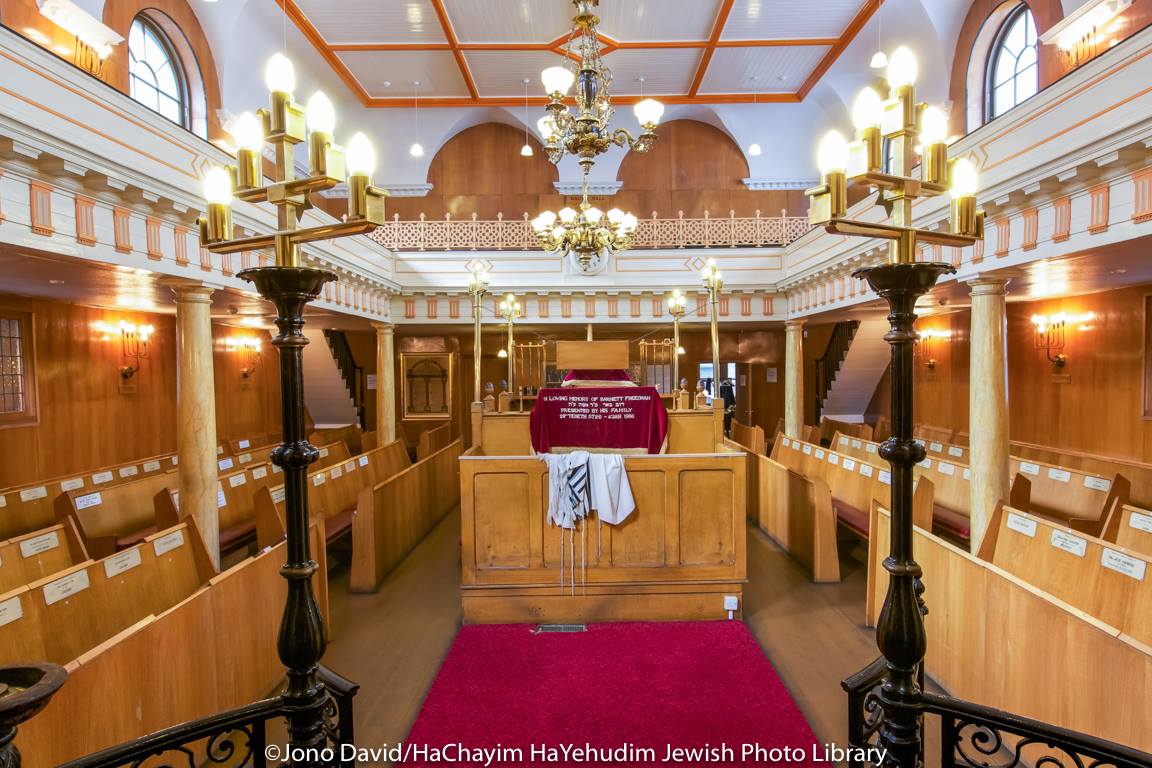
Yom Kippur concludes with an intense final service that expresses the closing moments of the day. The end is traditionally marked by the sound of the shofar, signaling the completion of the fast and the transition back into ordinary life.
That final sound carries a sense of release, hope, and renewed purpose after a day of deep reflection.
Summary
Yom Kippur is the Day of Atonement, a sacred day focused on fasting, prayer, repentance, forgiveness, and renewal. Through synagogue services, personal reflection, and the work of repairing relationships, Yom Kippur offers a meaningful opportunity to begin again with greater humility, responsibility, and hope.