

What Is Tashlich? The Rosh Hashanah Water Ceremony Explained
2026 May 20th
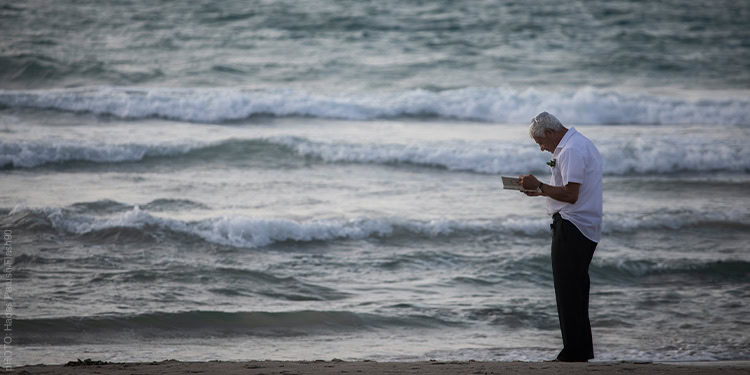
Tashlich is a symbolic Rosh Hashanah ceremony traditionally performed near a natural body of water. During Tashlich, individuals reflect on their actions and symbolically cast away mistakes as part of the High Holiday season of repentance and renewal.
The ceremony is simple, but its meaning is powerful. It helps make the themes of Rosh Hashanah visible and personal by connecting prayer, reflection, and the natural world.
What Does Tashlich Mean?
The word “Tashlich” comes from a Hebrew word meaning “you shall cast away.” The name reflects the central idea of the ceremony: symbolically casting away wrongdoing and entering the new year with a renewed sense of responsibility.
Tashlich is not a replacement for sincere repentance or personal change. Rather, it is a physical expression of an inner process.
When Is Tashlich Performed?
Tashlich is commonly performed on Rosh Hashanah, often in the afternoon after synagogue services. In some communities, if it is not performed on the first day, it may be done later during the High Holiday season.
The timing connects the ceremony with the broader themes of judgment, reflection, and renewal that define Rosh Hashanah.
Why Is Tashlich Done Near Water?
Tashlich is traditionally performed near a body of water such as a river, lake, stream, or pond. Water creates a natural setting for reflection and symbolizes movement, cleansing, and renewal.
In some traditions, a place with fish is preferred because fish are associated with awareness and blessing. Customs vary, but the central idea remains the same: the water serves as a meaningful setting for spiritual reflection.
What Happens During the Ceremony?
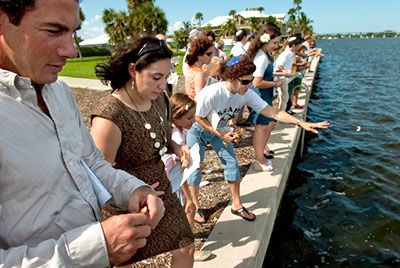
During Tashlich, participants usually recite selected prayers or biblical verses connected to forgiveness and compassion. The ceremony may be done individually, with family, or as part of a community gathering.
Some people have the custom of shaking out their pockets or symbolically casting crumbs into the water. Today, many communities avoid throwing bread or food into natural water sources for environmental reasons, while still preserving the symbolic action of the ritual.
The Symbolism of Casting Away
The purpose of Tashlich is not to pretend that mistakes disappear without effort. Jewish repentance requires awareness, regret, and a genuine desire to change.
The symbolic act of casting away represents the hope that people can release harmful patterns and begin the new year with greater honesty, humility, and purpose.
Tashlich and the High Holiday Season
Tashlich fits into the larger spiritual rhythm of the High Holidays. Rosh Hashanah begins a period of reflection that continues through Yom Kippur, with emphasis on repentance, prayer, and acts of kindness.
By stepping outside and gathering near water, the ceremony gives participants a concrete moment to pause and consider the kind of year they want to build.
Summary
Tashlich is a Rosh Hashanah ceremony performed near water as a symbolic act of casting away wrongdoing and beginning the new year with renewed purpose. Through prayer, reflection, and a meaningful physical setting, Tashlich helps express the High Holiday themes of repentance, renewal, and hope.