
What Is Rosh Hashanah? Meaning, History, and Traditions Explained
2015 Aug 9th
Rosh Hashanah is the Jewish New Year and one of the most significant holidays in the Jewish calendar. It begins the High Holiday season, a period focused on reflection, prayer, renewal, and spiritual responsibility.
Unlike many secular new year celebrations, Rosh Hashanah is not only about marking the passage of time. It is a deeply meaningful holiday centered on judgment, remembrance, repentance, and the hope for a sweet and blessed year ahead.

The Meaning of Rosh Hashanah
The phrase “Rosh Hashanah” means “head of the year.” Just as the head guides the body, Rosh Hashanah is understood as a time that sets the spiritual tone for the year ahead.
The holiday invites individuals and communities to pause, examine their actions, and consider how they want to enter the new year with greater awareness and purpose.
Why Rosh Hashanah Is the Jewish New Year
Rosh Hashanah marks the beginning of the Jewish year in a spiritual and communal sense. It is associated with the creation of the world and the idea that each person’s actions and choices matter.
This gives the holiday a serious but hopeful character. It is a time for prayer and introspection, but also for festive meals, family gatherings, and blessings for the year to come.
The Sound of the Shofar
One of the most important traditions of Rosh Hashanah is hearing the shofar, a ram’s horn sounded during synagogue services. The shofar’s sound is direct, ancient, and stirring.
It is often understood as a spiritual wake-up call, urging people to reflect, return, and renew their commitment to living with integrity.
Apples, Honey, and a Sweet New Year
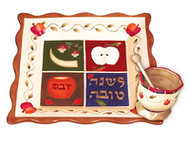
A widely known Rosh Hashanah custom is eating apples dipped in honey. This tradition expresses the hope for a sweet year ahead.
Other symbolic foods may also be eaten at the holiday meal, depending on family and community custom. These foods turn the table into a place of blessing, memory, and intention.

Prayer and Reflection During the High Holidays
Rosh Hashanah begins a period of spiritual reflection that continues through Yom Kippur. Prayer plays a central role, and many communities use a special High Holiday prayer book known as a machzor.
For a general introduction to Jewish prayer books, see What Is a Siddur? Understanding the Jewish Prayer Book.
Rosh Hashanah at Home
Rosh Hashanah is observed both in synagogue and at home. Families and guests often gather for festive meals, blessings, traditional foods, and wishes for a good year.
The home celebration helps make the themes of the holiday tangible. Through food, words, and shared customs, Rosh Hashanah becomes a time of connection between generations.
Themes of Renewal, Responsibility, and Tzedakah
Rosh Hashanah encourages people to think seriously about how they treat others and how they use the year ahead. Themes such as repentance, prayer, and acts of kindness are especially important during the High Holiday season.
One important Jewish value connected to ethical responsibility is Tzedakah, the practice of giving and acting with justice toward others.
Summary
Rosh Hashanah is the Jewish New Year and the beginning of the High Holiday season. Through the sound of the shofar, symbolic foods such as apples and honey, synagogue prayer, and family meals, the holiday focuses on reflection, renewal, and the hope for a sweet and meaningful year.