

What Are the Ten Days of Repentance?
2026 May 20th
The Ten Days of Repentance are the period beginning with Rosh Hashanah and continuing through Yom Kippur. In Jewish tradition, these days are set aside for reflection, teshuvah, prayer, and ethical renewal.
This period is one of the most spiritually focused times of the Jewish year. It encourages people to look honestly at their actions, repair relationships, and enter the year ahead with greater awareness and responsibility.
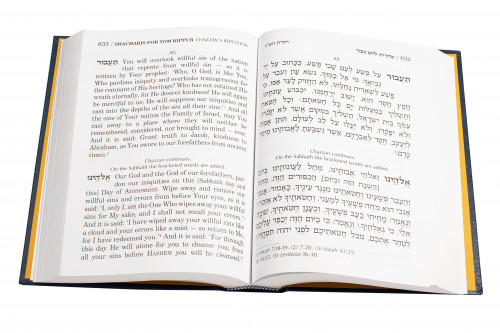
What Are the Ten Days of Repentance?
The Ten Days of Repentance, also known in Hebrew as Aseret Yemei Teshuvah, refer to the days between Rosh Hashanah and Yom Kippur. They form a bridge between the beginning of the Jewish New Year and the Day of Atonement.
Rosh Hashanah introduces themes of judgment, memory, and renewal. Yom Kippur brings those themes to their most intense point through fasting, prayer, confession, and atonement.
The Meaning of Teshuvah
Teshuvah is often translated as repentance, but its deeper meaning is “return.” It refers to returning to one’s better self, to proper conduct, and to a more honest relationship with God and other people.
Teshuvah is not only about regret. It includes recognizing mistakes, taking responsibility, asking forgiveness when appropriate, and making a serious effort to change.
Why These Days Matter
The Ten Days of Repentance create a focused period for moral and spiritual attention. Rather than treating the new year as only a celebration, Jewish tradition frames it as a time to examine how one has lived and how one wants to move forward.
This gives the High Holiday season its serious but hopeful character. The goal is not despair, but renewal.
Prayer, Tzedakah, and Ethical Action
Prayer is central during the Ten Days of Repentance, but the period also emphasizes action. Repairing relationships, giving charity, and acting more responsibly are important parts of the process.
One major Jewish value connected to responsibility and kindness is Tzedakah, which reflects the connection between generosity, justice, and communal care.
Repairing Relationships
A central part of this period is seeking forgiveness from people one may have harmed. Jewish tradition teaches that prayer alone does not repair wrongs committed against another person; effort must be made to apologize and make amends.
This makes the Ten Days of Repentance deeply practical. They are not only about private reflection, but also about how people treat one another.
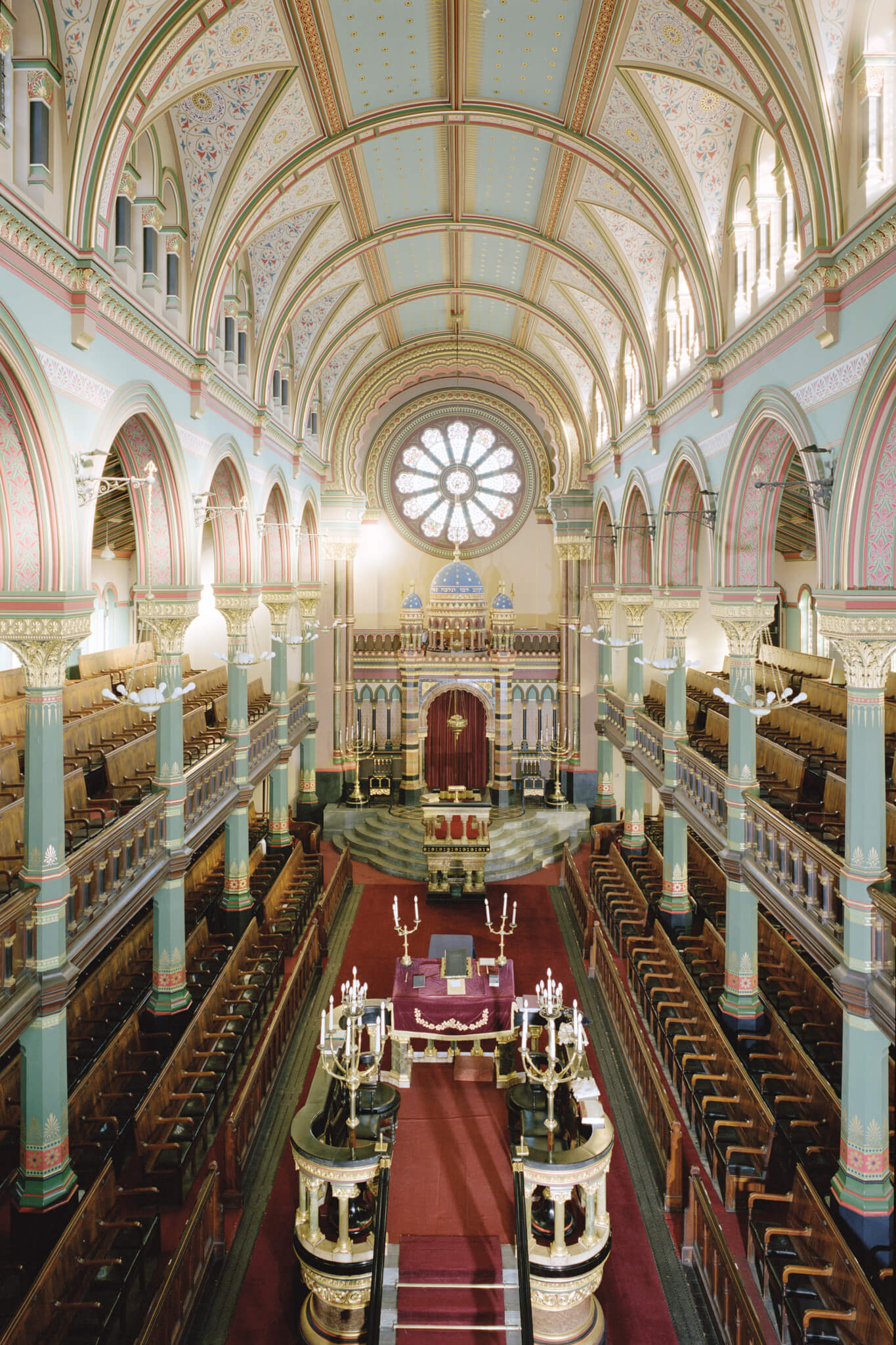
How the Ten Days Lead to Yom Kippur
Yom Kippur is the culmination of the Ten Days of Repentance. By the time Yom Kippur arrives, the work of reflection has already begun. The prayers and practices of the day build on the preparation that came before it.
This structure helps make Yom Kippur more than a single day of observance. It becomes the conclusion of a meaningful process of return and renewal.
Summary
The Ten Days of Repentance are the days from Rosh Hashanah through Yom Kippur, focused on teshuvah, prayer, ethical reflection, and repair. This period encourages people to take responsibility for their actions and enter the new year with humility, hope, and a renewed commitment to meaningful living.