
Why Do We Cover the Challah on Shabbat?
2026 Mar 24th
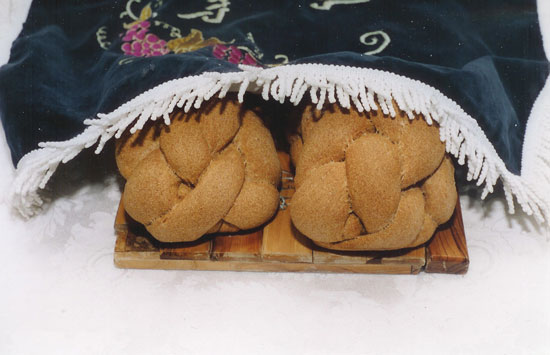
On the Shabbat table, it is common to see the challah bread covered with a decorative cloth before the blessing over wine is recited. This widespread custom carries symbolic meaning and reflects the thoughtful structure of traditional Shabbat rituals.
Covering the challah helps shape the sequence of blessings and contributes to the distinctive atmosphere of the Shabbat meal.
The Order of Blessings at the Shabbat Meal
Jewish tradition establishes a specific order for blessings recited at meals. Normally, the blessing over bread would come before other blessings. However, on Shabbat, Kiddush — the blessing over wine — is recited first.
To understand the role of this blessing in the Shabbat meal, see What Is Kiddush? Meaning and Blessing Over Wine.
Covering the challah helps emphasize this special sequence.
A Symbolic Explanation
One commonly shared explanation is that the challah is covered so that it is not “embarrassed” when the blessing over wine is recited before the blessing over bread. While symbolic, this idea reflects the sensitivity and mindfulness that characterize many Jewish customs.
Through this gesture, the Shabbat table becomes a place where values such as respect and intention are expressed through ritual.
Connection to the Shabbat Table
Covering the challah also adds to the visual and ceremonial structure of the Shabbat meal. The table is prepared in advance with candles, wine, challah, and festive foods, creating an environment that feels distinct from weekday meals.
For a broader understanding of the significance of Shabbat in Jewish life, see What Is Shabbat? Meaning, History, and Purpose.
When the Challah Is Uncovered
After Kiddush is completed, the challah is uncovered and the blessing over bread is recited. The bread is then cut or broken and shared among those at the table.
This sequence reinforces the structure and rhythm of the Shabbat meal.
The Meaning of Ritual Details
Small details such as covering the challah contribute to the overall experience of Shabbat. These practices help transform an ordinary meal into a meaningful weekly tradition centered on rest, gratitude, and togetherness.
Summary
Challah is traditionally covered on the Shabbat table before Kiddush is recited. This custom highlights the special order of blessings and adds symbolic depth to the Shabbat meal. Once Kiddush is completed, the challah is uncovered and shared, continuing a longstanding tradition that shapes the rhythm of Jewish home life.