
Why Are Two Challahs Used on Shabbat?
2026 Mar 24th
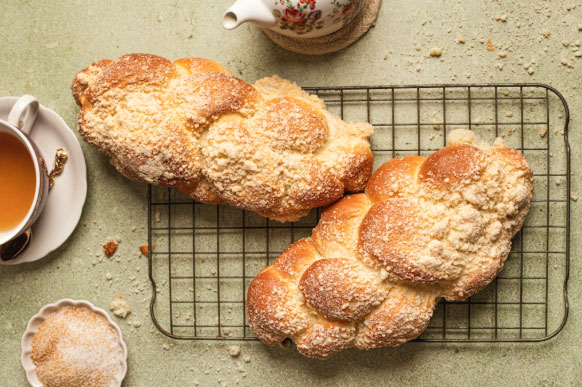
On the Shabbat table, it is customary to place two loaves of challah bread. This tradition is deeply rooted in Jewish history and symbolism, and it plays an important role in shaping the structure and meaning of the Shabbat meal.
The presence of two challahs helps connect the weekly observance of Shabbat with themes of sustenance, gratitude, and remembrance.
The Biblical Origin of Two Challahs
The custom of using two challahs is linked to the story of the manna that sustained the Israelites during their journey in the desert. According to the Torah, a double portion of manna would fall on Fridays so that the people would not need to gather food on Shabbat.
Placing two loaves of challah on the Shabbat table serves as a reminder of this double portion and the importance of trusting in provision and rest.
The Blessing Over the Bread
During the Shabbat meal, the blessing over bread is recited after Kiddush, the blessing over wine. The challahs are typically covered before Kiddush and uncovered when it is time to recite the blessing.
To understand why the challah is covered before Kiddush, see Why Do We Cover the Challah on Shabbat?.
Symbolism of Abundance and Gratitude
The two challahs can also be understood as symbols of abundance and appreciation. By placing more than one loaf on the table, the Shabbat meal reflects a sense of celebration and generosity.
This symbolism aligns with the broader atmosphere of Shabbat, which emphasizes joy, rest, and meaningful connection.
Challah as a Centerpiece of the Shabbat Table
Alongside candles and the Kiddush cup, challah helps create the distinctive visual and spiritual character of the Shabbat table. These ritual elements contribute to the sense that Shabbat is set apart from ordinary days.
For a broader overview of the role of Shabbat in Jewish life, see What Is Shabbat? Meaning, History, and Purpose.
The Continuity of Tradition
Using two challahs on Shabbat is a practice that has been passed down through generations. Whether observed in traditional or modern settings, this custom helps maintain continuity with Jewish heritage and reinforces the rhythm of weekly observance.
Summary
Two challahs are placed on the Shabbat table to recall the double portion of manna provided before Shabbat and to symbolize abundance and gratitude. This longstanding tradition contributes to the structure and meaning of the Shabbat meal and helps connect present-day practice with Jewish history.