
What Is Shabbat? Meaning, History, and Purpose
2026 Mar 10th
Shabbat, often called the Jewish Sabbath, is the weekly day of rest observed in Jewish tradition. Beginning at sunset on Friday and ending after nightfall on Saturday, Shabbat marks a pause from the regular activities of the week and focuses attention on rest, family, reflection, and spiritual connection.
For thousands of years, Shabbat has been one of the central practices of Jewish life. It brings together themes of rest, gratitude, and community, and it remains a defining rhythm in Jewish homes around the world.
The Meaning of Shabbat
The word “Shabbat” comes from a Hebrew root meaning “to cease” or “to stop.” In Jewish tradition, it refers to the day when ordinary work is set aside. Instead of focusing on daily tasks or business, Shabbat encourages people to slow down and dedicate time to spiritual reflection, family meals, and rest.
This weekly pause creates a consistent moment of renewal within the rhythm of the week.
The Biblical Origin of Shabbat
The origins of Shabbat are described in the Torah. The Book of Genesis recounts that after six days of creation, God rested on the seventh day. This concept established the idea of a recurring weekly day of rest.
Later, the commandment to observe Shabbat became one of the Ten Commandments, emphasizing its importance in Jewish life.
When Shabbat Begins and Ends
Shabbat begins at sunset on Friday evening and continues until nightfall on Saturday. The transition into Shabbat is traditionally marked by lighting Shabbat candles shortly before sunset.
The conclusion of Shabbat is marked by a brief ceremony called Havdalah, which separates the sacred day of rest from the new week.
Shabbat in the Jewish Home
Shabbat is often experienced most fully within the home. Families gather for festive meals, share blessings, and spend time together without the distractions of ordinary weekday activities.
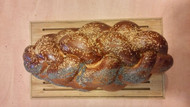
Common elements of a traditional Shabbat table may include candles, wine for Kiddush, and challah bread. These practices help create a sense of calm and celebration that distinguishes Shabbat from the rest of the week.
Shabbat as a Weekly Reset
Beyond its religious significance, Shabbat provides a regular opportunity to step back from routine responsibilities. Many people use the time to reconnect with family, community, and personal reflection.
This weekly rhythm of work followed by rest has helped sustain Jewish communities for centuries.
The Enduring Role of Shabbat
Today, Shabbat continues to play an important role in Jewish identity and culture. While practices vary among families and communities, the core idea remains the same: a dedicated time to pause, reflect, and appreciate the blessings of life.
Through shared meals, traditions, and moments of rest, Shabbat brings continuity between generations and strengthens the connection between Jewish heritage and everyday life.
Summary
Shabbat is the weekly Jewish day of rest observed from Friday evening to Saturday night. Rooted in the biblical story of creation and reinforced by the Ten Commandments, it has become a cornerstone of Jewish life. By setting aside time for rest, family, and reflection, Shabbat creates a meaningful pause within the rhythm of the week.