
What Is Birkat Hamazon? Grace After Meals Explained
2026 Mar 25th
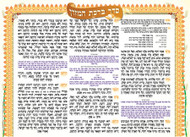
Birkat Hamazon is the traditional Jewish prayer recited after eating a meal that includes bread. Often translated as “Grace After Meals,” this blessing expresses gratitude for nourishment and acknowledges the importance of sustenance in daily life.
Recited on weekdays, Shabbat, and holidays, Birkat Hamazon helps transform an ordinary meal into a moment of reflection and appreciation.
The Meaning of Birkat Hamazon
The words “Birkat Hamazon” come from Hebrew and mean “blessing for the food.” This prayer reflects a longstanding emphasis in Jewish tradition on expressing thanks not only before eating but also after a meal has been completed.
By pausing to recite this blessing, individuals acknowledge both physical nourishment and spiritual awareness.
Biblical Origins
The practice of reciting a blessing after eating is rooted in a verse from the Torah that instructs people to eat, be satisfied, and then bless. Over time, Jewish sages developed a structured series of blessings that form the Birkat Hamazon prayer.
This development helped standardize the ritual across Jewish communities.
When Birkat Hamazon Is Recited
Birkat Hamazon is recited after meals that include bread, whether at home, in communal settings, or during festive occasions such as Shabbat meals. Its inclusion reinforces the rhythm of Jewish daily practice.
During Shabbat, Birkat Hamazon follows rituals such as Kiddush and the blessing over challah. To understand these traditions, see What Is Kiddush? Meaning and Blessing Over Wine.
Communal and Individual Recitation
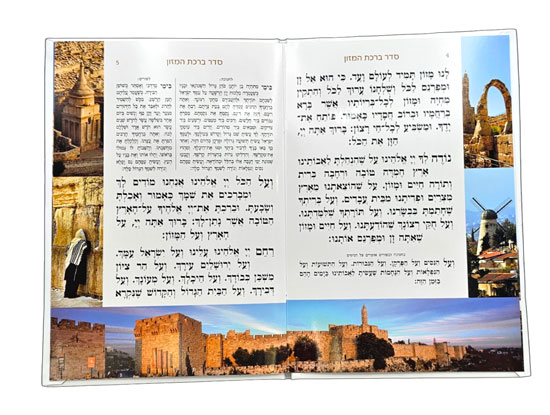
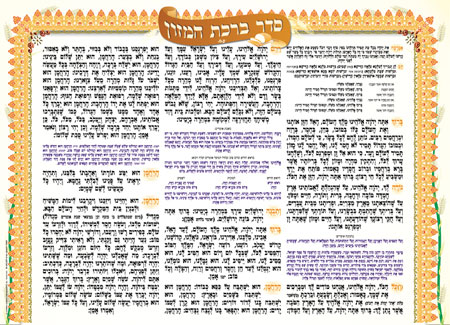
Birkat Hamazon may be recited individually or together as a group. In communal settings, participants may follow along using a printed booklet or prayer book.
Gathering to recite the blessing together can strengthen the sense of shared gratitude and community connection.
The Role of Meals in Jewish Life
Meals play an important role in Jewish tradition, serving as opportunities for family connection, hospitality, and celebration. Reciting Birkat Hamazon helps bring these experiences to a meaningful conclusion.
For example, Shabbat meals often include challah bread and festive foods that mark the day as distinct from the rest of the week.
Continuity Through Gratitude
By reciting Birkat Hamazon, individuals participate in a tradition that has been maintained for generations. This simple act of gratitude helps reinforce awareness of blessings in everyday life.
Summary
Birkat Hamazon is the traditional Jewish prayer recited after meals that include bread. Rooted in biblical instruction and developed through centuries of practice, it expresses gratitude for nourishment and strengthens the connection between daily life and spiritual reflection.