

What Is a Hamsa? Meaning and Symbolism
2026 Mar 25th
The Hamsa is a hand-shaped symbol widely recognized in Jewish culture and across the Middle East. Often associated with protection, blessing, and good fortune, the Hamsa appears in jewelry, wall decor, and other meaningful objects used in everyday life.
Its simple yet powerful design has helped make it one of the most enduring and visually recognizable symbols connected to Jewish identity and tradition.
The Meaning of the Hamsa
The word “Hamsa” comes from a term meaning “five,” referring to the five fingers of the hand. In Jewish tradition, the symbol is often connected with themes of divine protection, spiritual awareness, and blessing.
Many people place a Hamsa in the home or wear it as jewelry as a reminder of these ideas.
Symbolism and Protective Associations
The Hamsa is frequently understood as a protective symbol intended to ward off negative influences. While interpretations may vary across cultures and communities, the symbol is generally associated with well-being and positive intention.
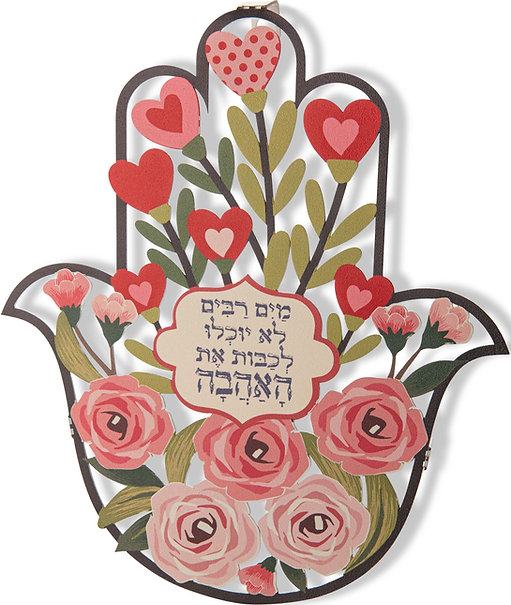
In Jewish contexts, the Hamsa may also incorporate Hebrew letters, prayers, or symbolic motifs that reinforce its meaning.
The Hamsa in Jewish Homes
Hamsa decorations are often displayed near entrances, living spaces, or areas used for gathering. Their presence helps create an atmosphere that reflects tradition, identity, and spiritual mindfulness.
Other meaningful items placed in Jewish homes may include mezuzahs on doorposts. To learn more about this practice, see Where Should a Mezuzah Be Placed? Room-by-Room Guide.
Hamsa in Jewelry and Personal Expression
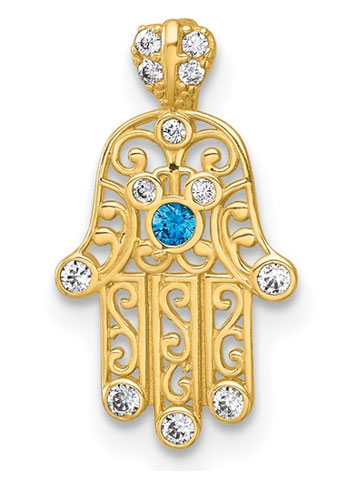
The Hamsa is also widely used in necklaces, bracelets, and other forms of jewelry. Wearing the symbol allows individuals to express cultural connection and personal meaning in a visible and meaningful way.
Designs may range from simple outlines to elaborate artistic interpretations featuring stones, engravings, or additional symbolic elements.
Cultural Continuity and Modern Use
Today, the Hamsa continues to be appreciated for both its traditional symbolism and its aesthetic appeal. Whether displayed in the home or worn as jewelry, it helps connect contemporary life with longstanding cultural heritage.
Summary
The Hamsa is a hand-shaped symbol associated with protection, blessing, and positive intention. Commonly found in Jewish homes and jewelry, it reflects themes of spiritual awareness and cultural identity that continue to resonate across generations.